māra – Designing Connection Across Barriers in Urban Garden Communities
As part of my bachelor thesis at HfG Schwäbisch Gmünd, I co-designed māra—a mobile-first platform that helps urban gardening communities collaborate more inclusively. Working closely with my project partners Diana Hutter and Lukas Brendle, we set out to solve a real-world challenge: how can people with different languages and digital skill levels still garden, plan, and organize—together?
- Client
- Deliverables
- Duration
- Role
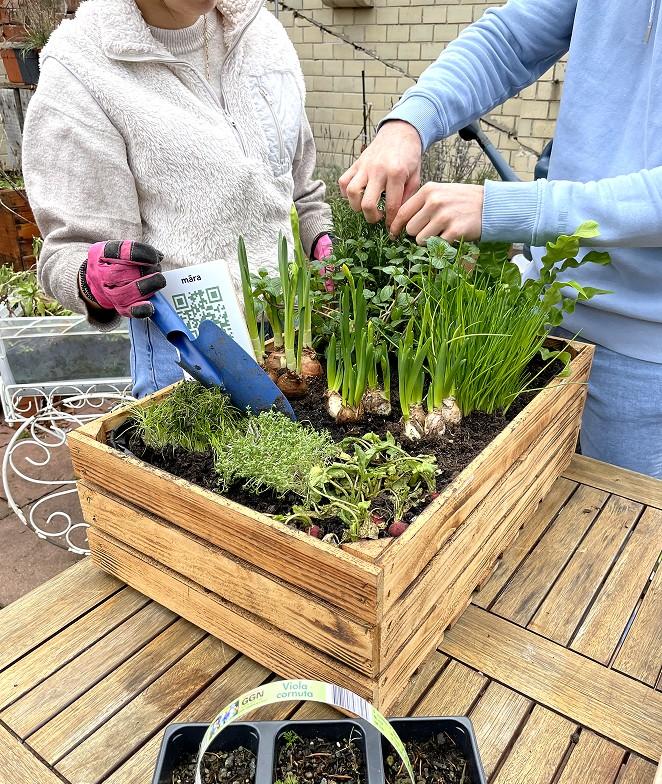
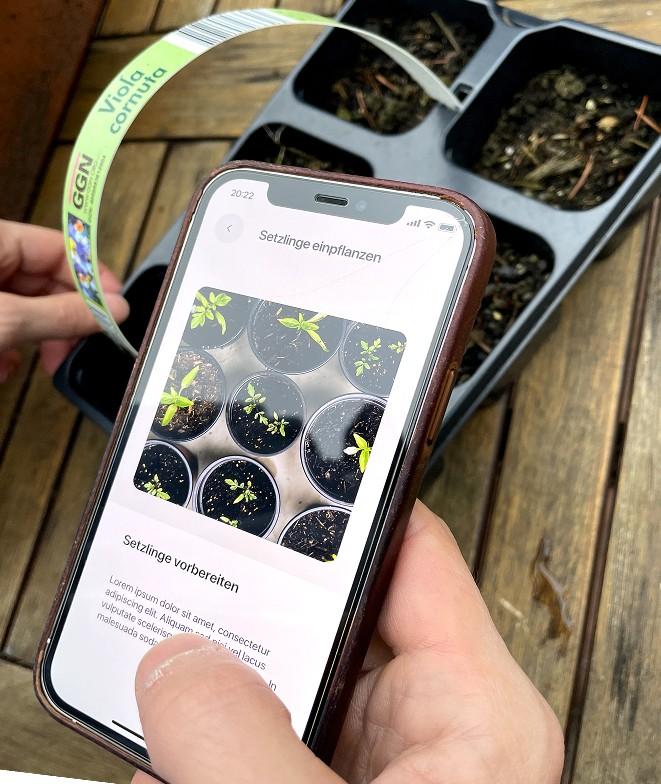
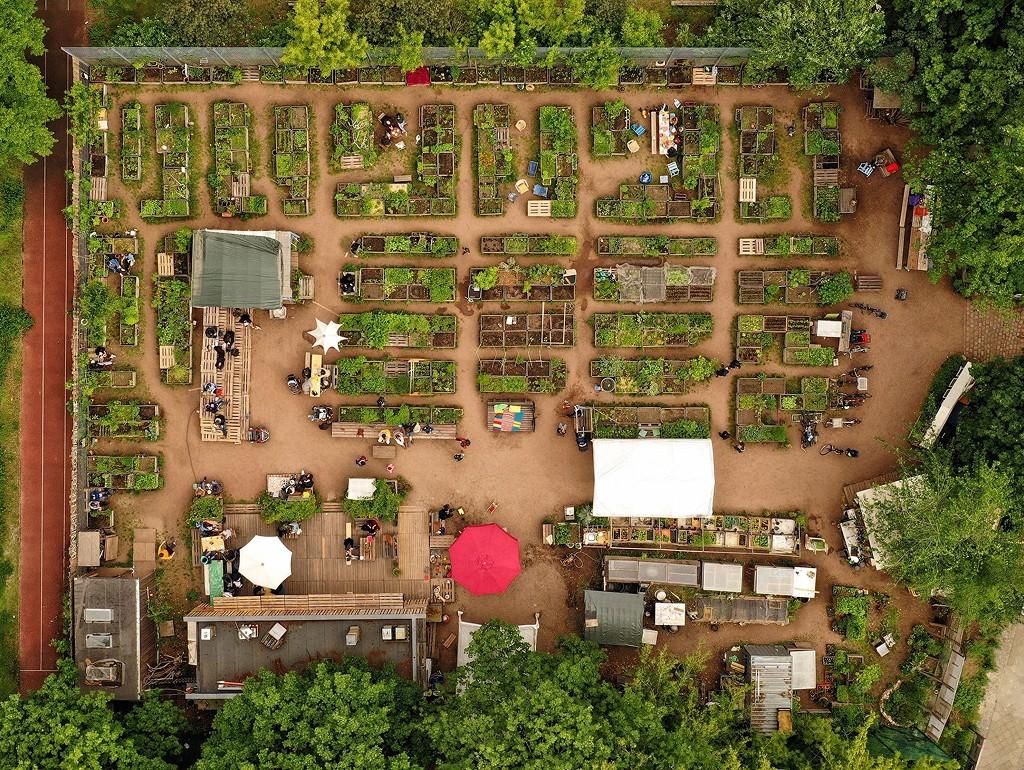
The Challenge
Urban gardens are diverse, social, and grassroots by nature—but they often lack the tools to support inclusive collaboration. Many members face barriers around communication: language, digital literacy, or unclear responsibilities. Our mission was to create a platform that’s welcoming, intuitive, and universally understandable—no tech skills or translation needed.
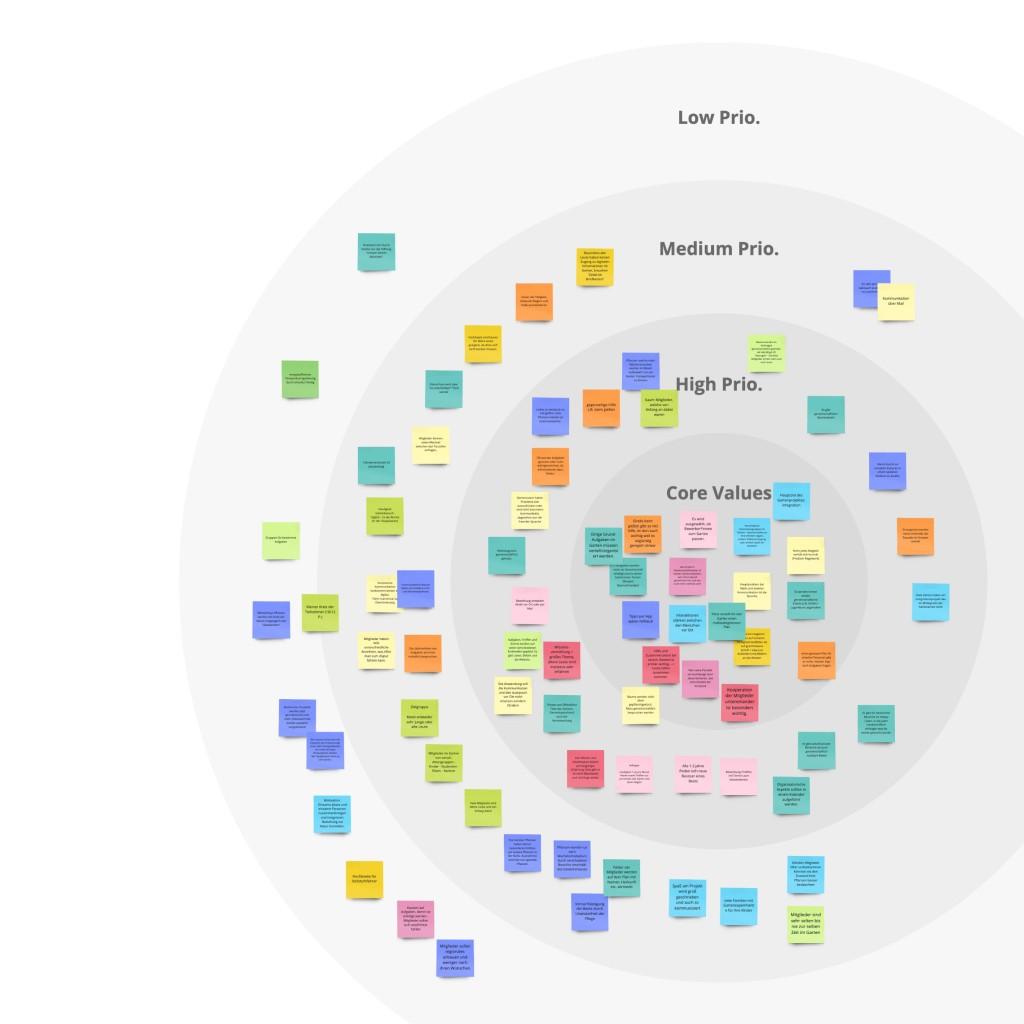
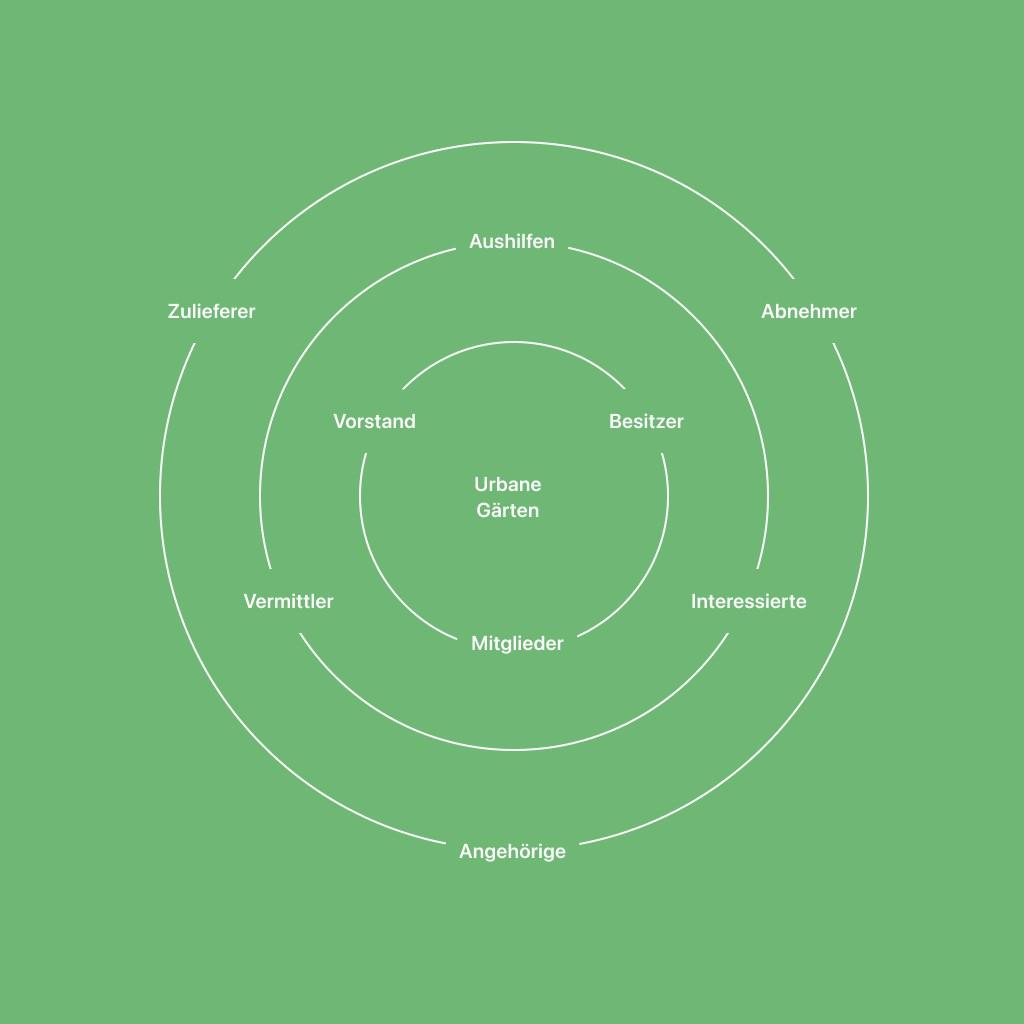
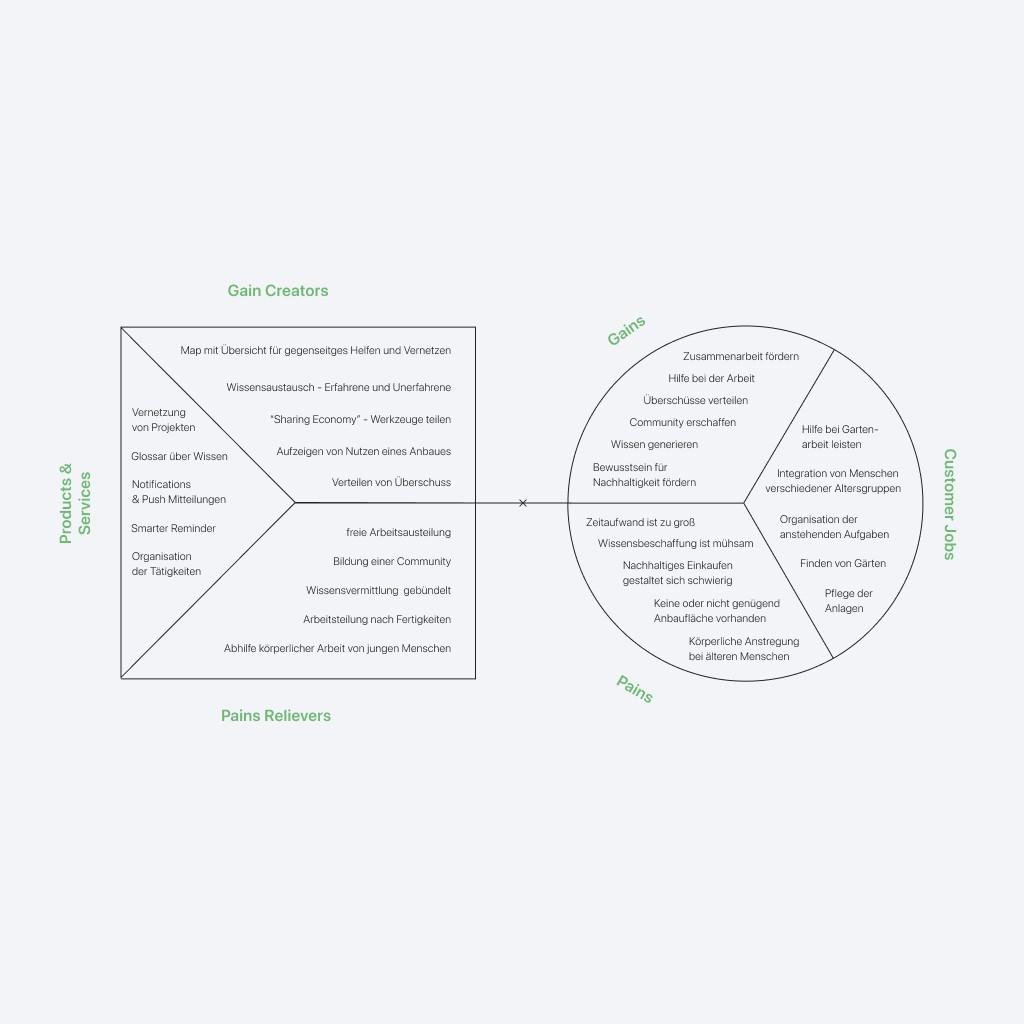
Research & Discovery
Over several months, we conducted interviews, observations, and journey mappings in gardens across Germany. We spoke with coordinators, newcomers, and longtime members, uncovering friction points like inaccessible WhatsApp groups or information silos. These insights shaped our direction: less text, more visual clarity.
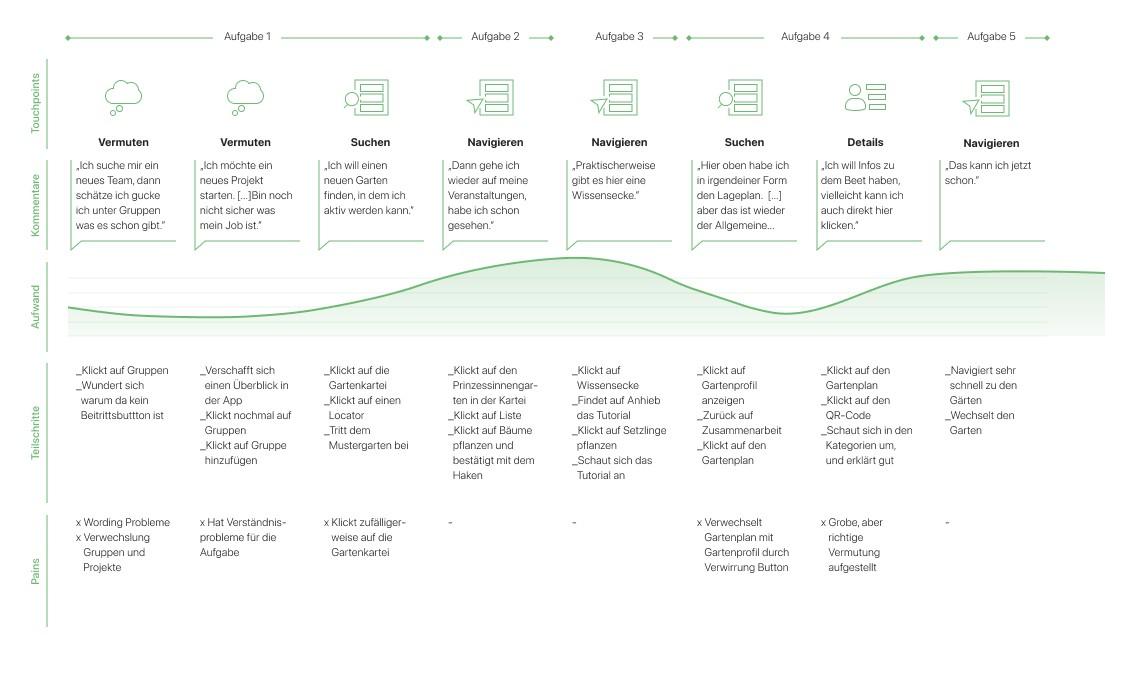
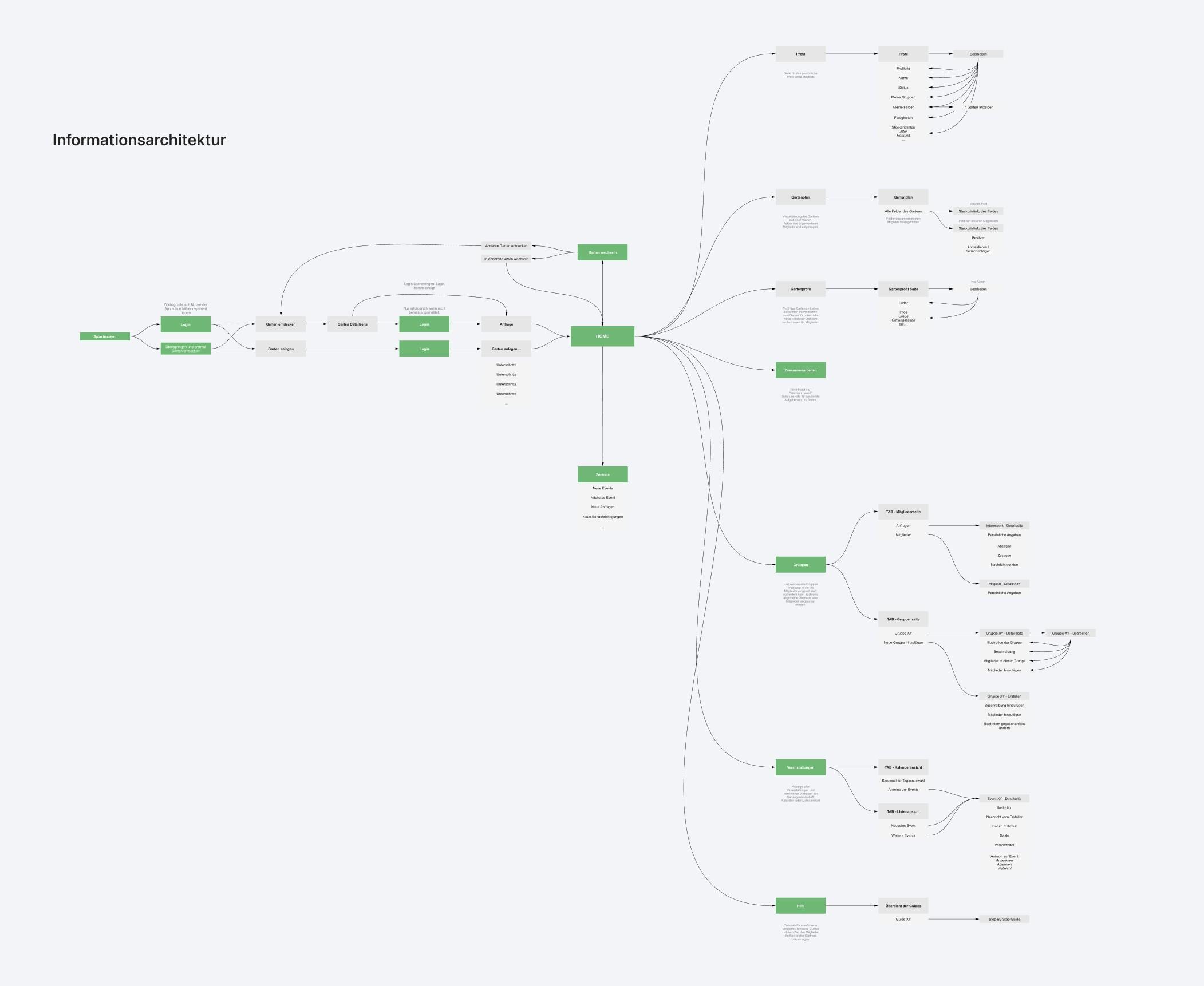
Design Process
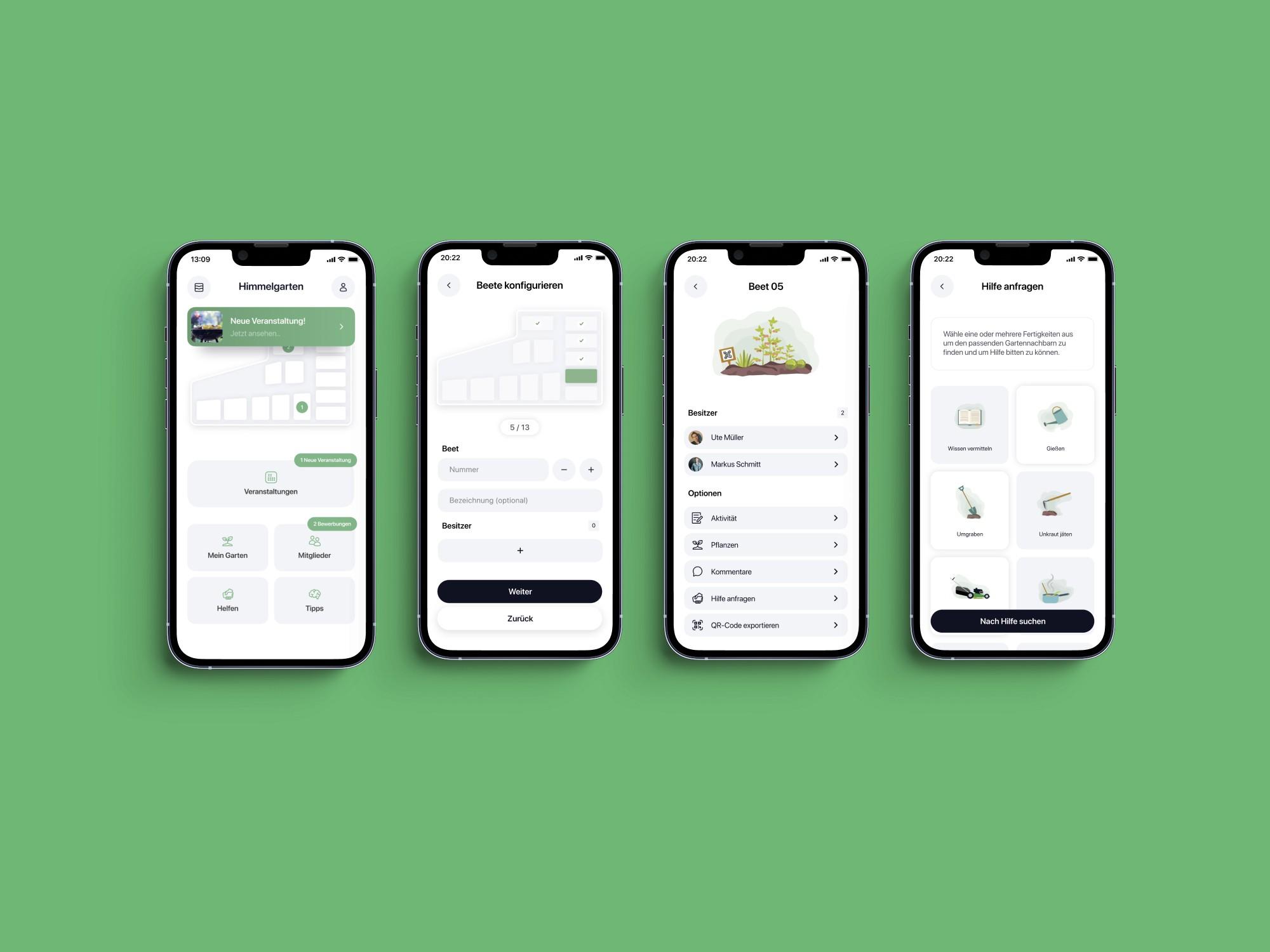
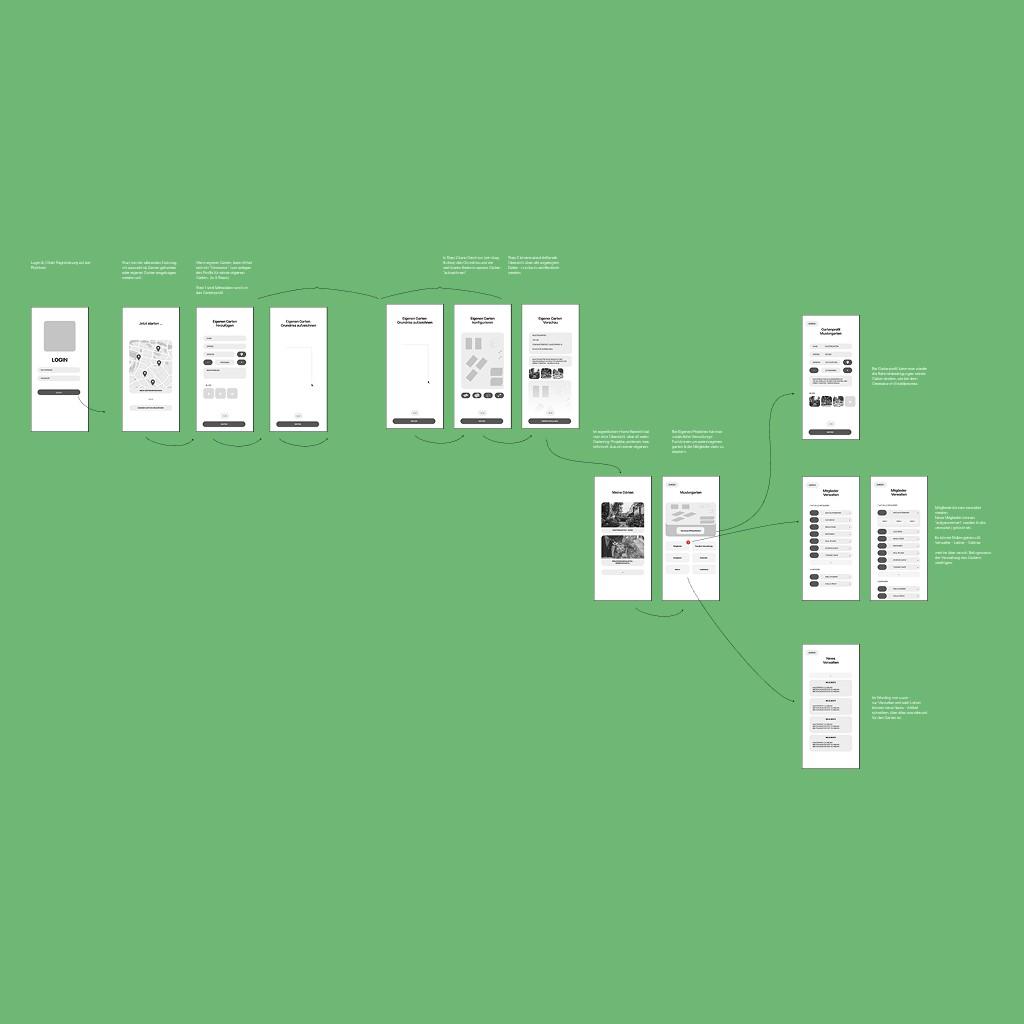
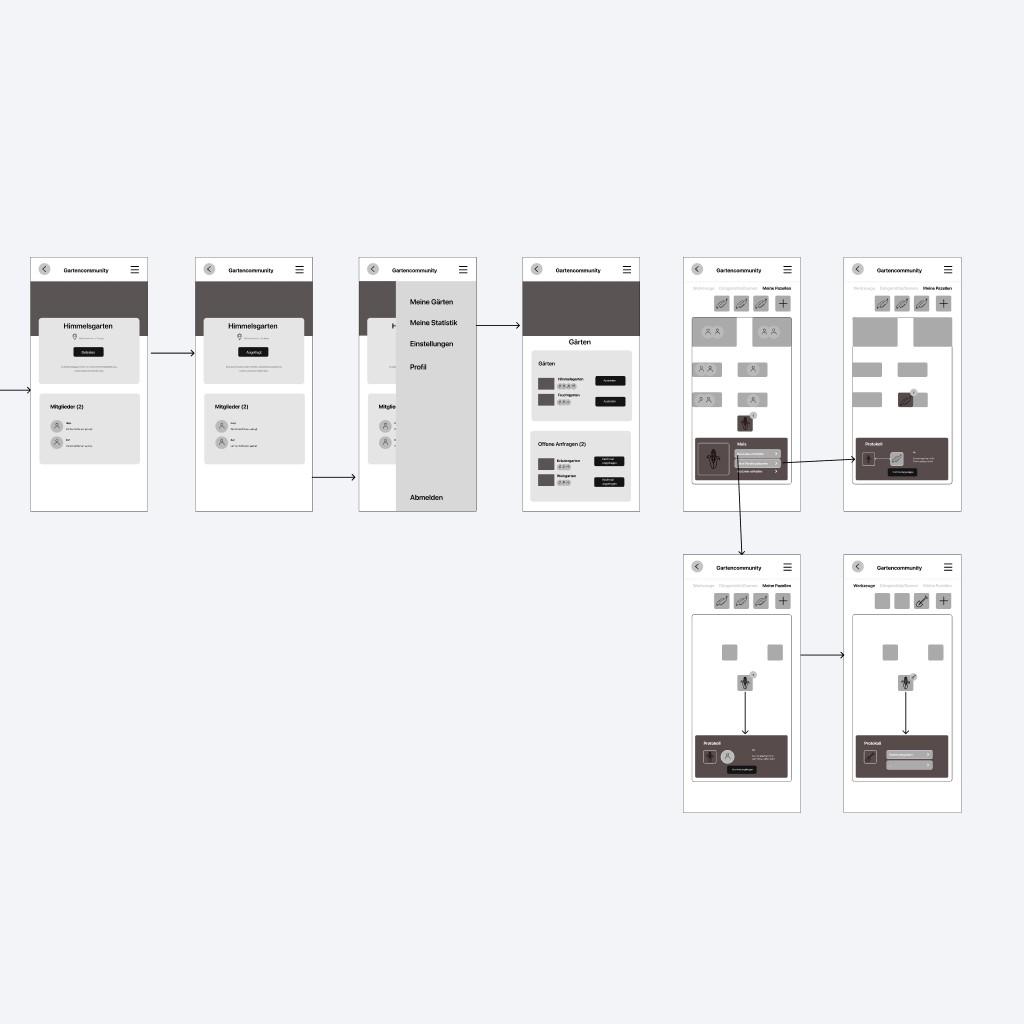
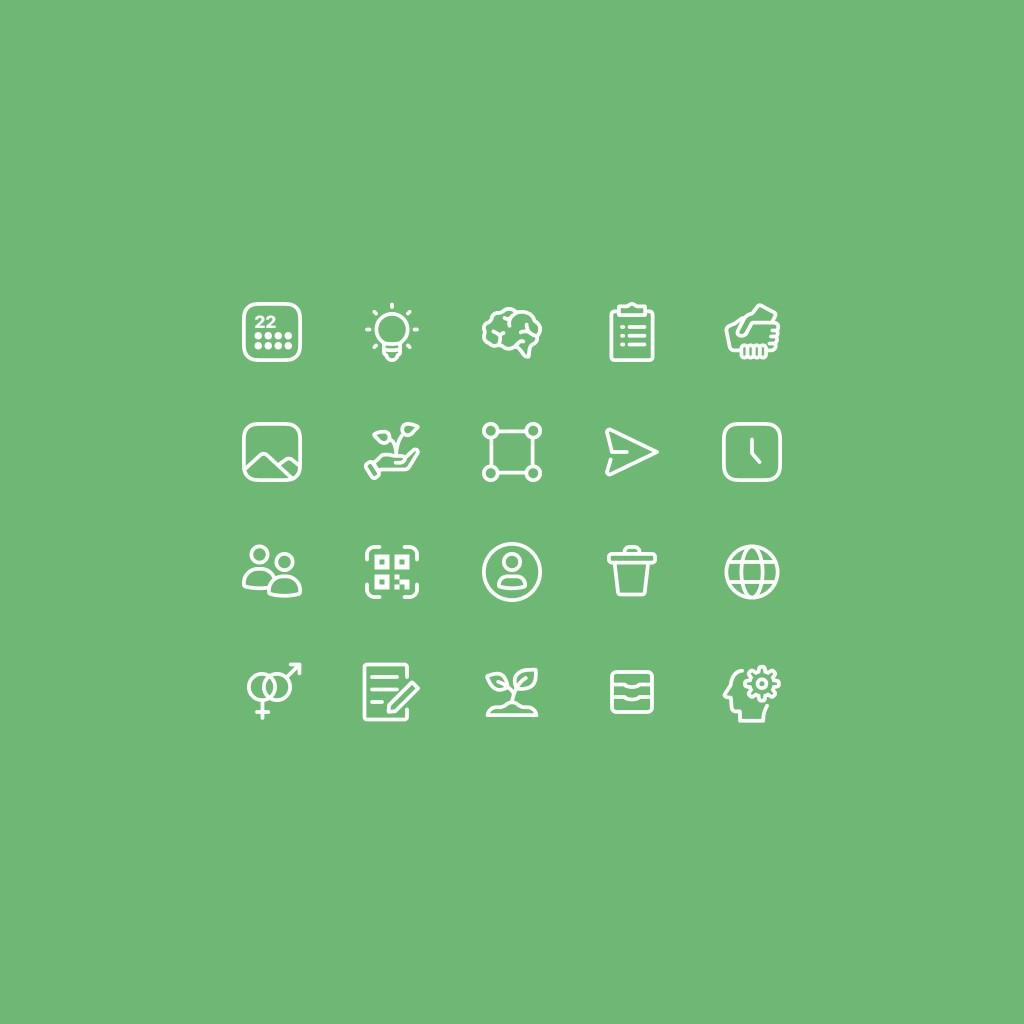
We ran co-creation workshops with community members to test interaction ideas and UI principles early. I led the prototyping and interaction design—developing a symbol-first system for navigation, task sharing, and garden updates. We tested and iterated frequently, making sure the interface worked just as well for older non-digital users as it did for smartphone natives.

The Solution
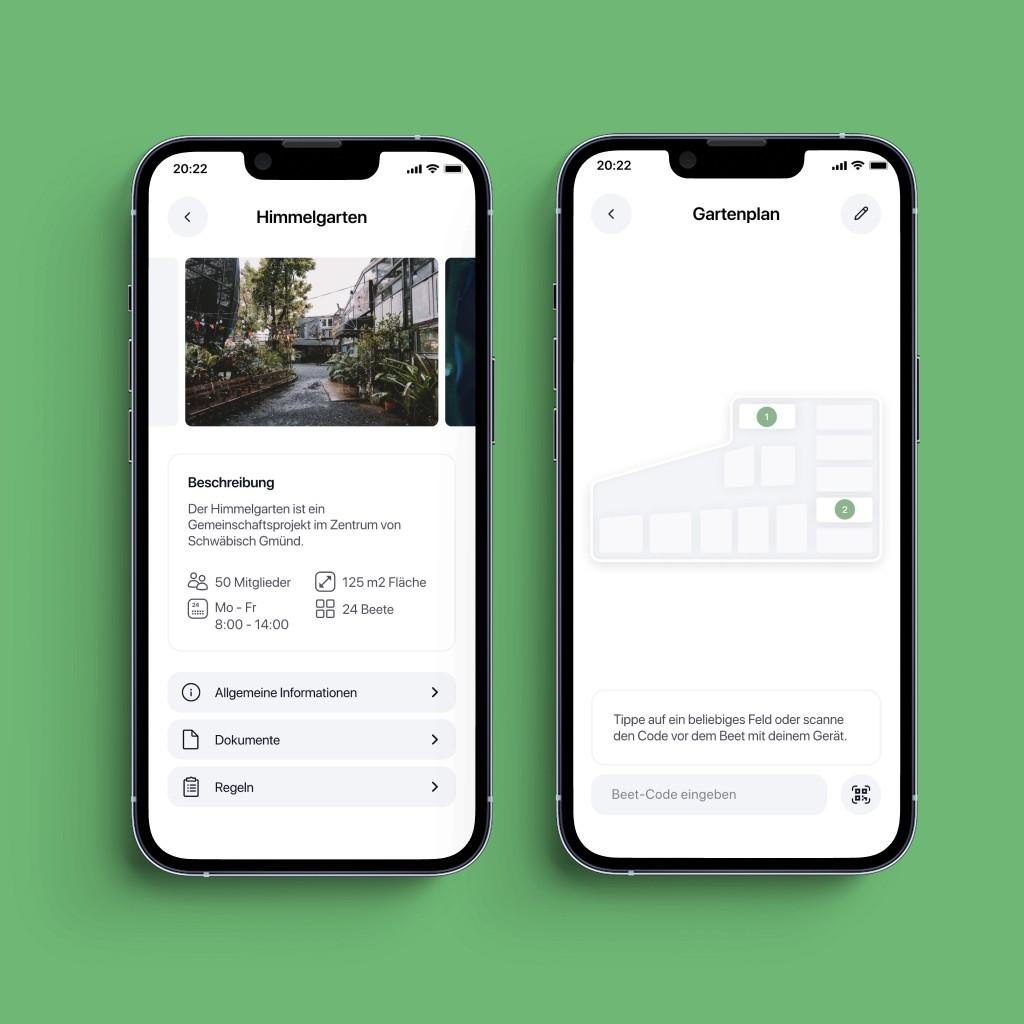
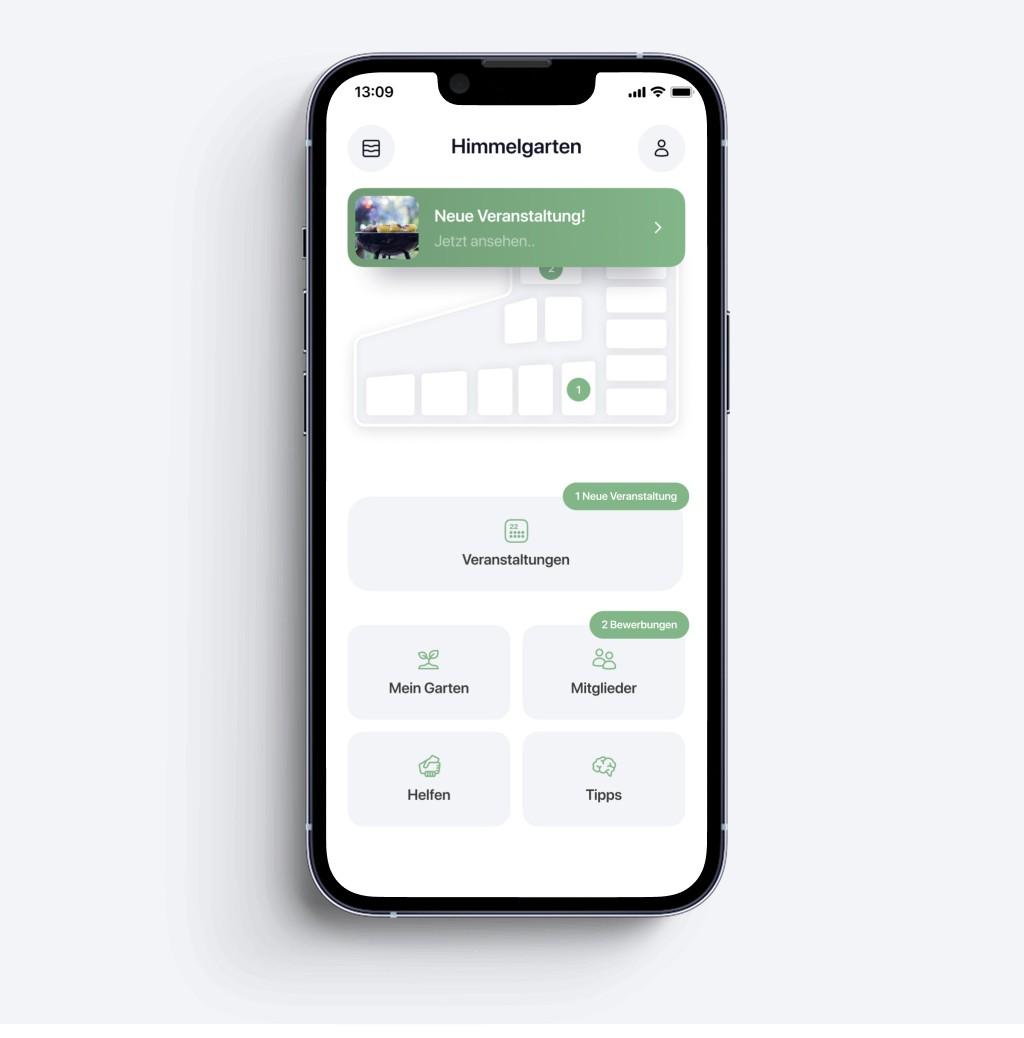
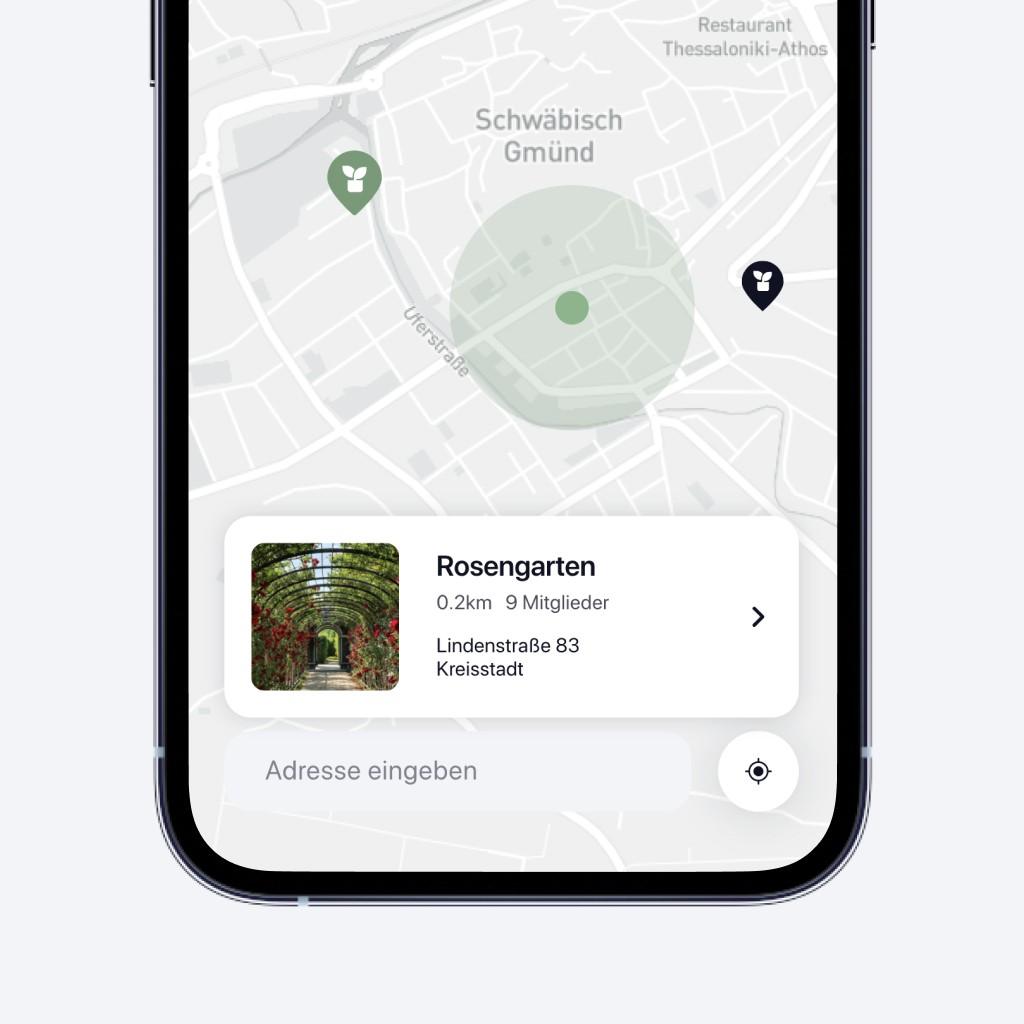
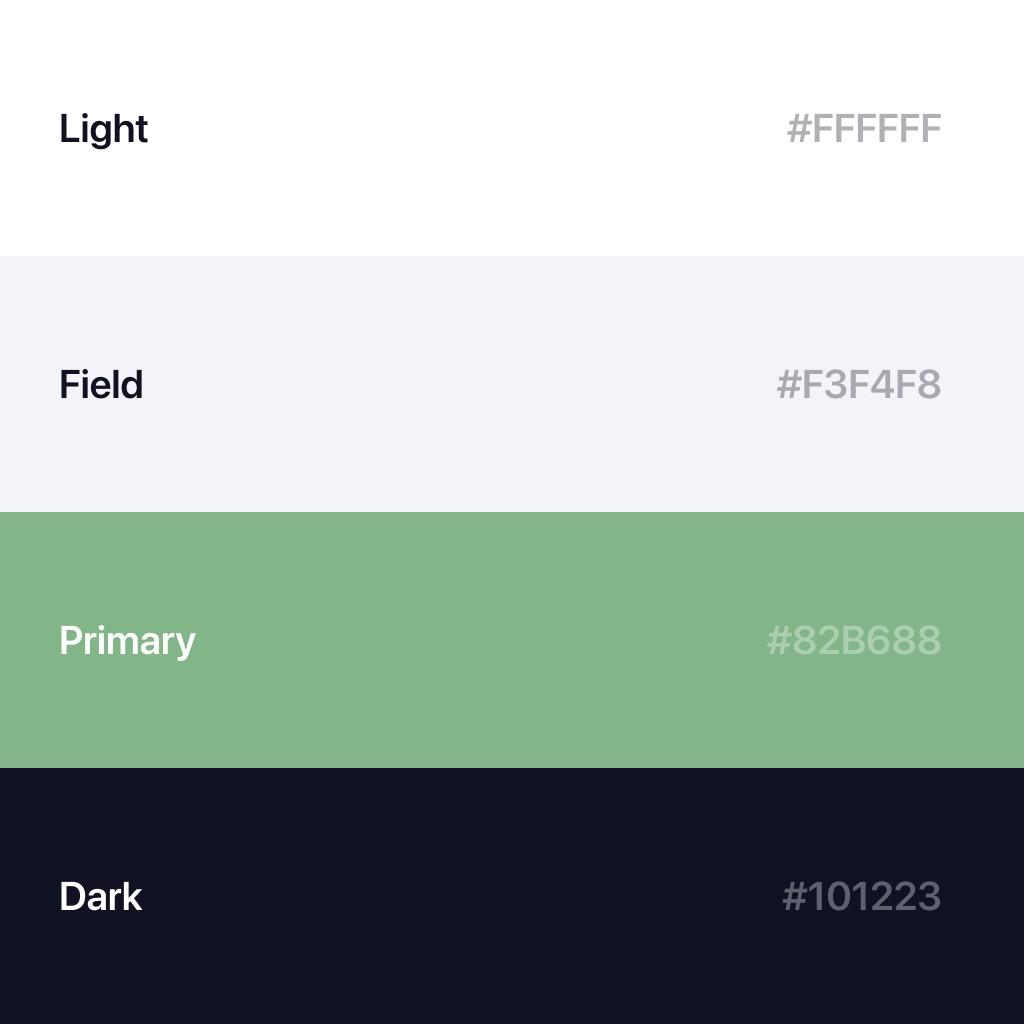
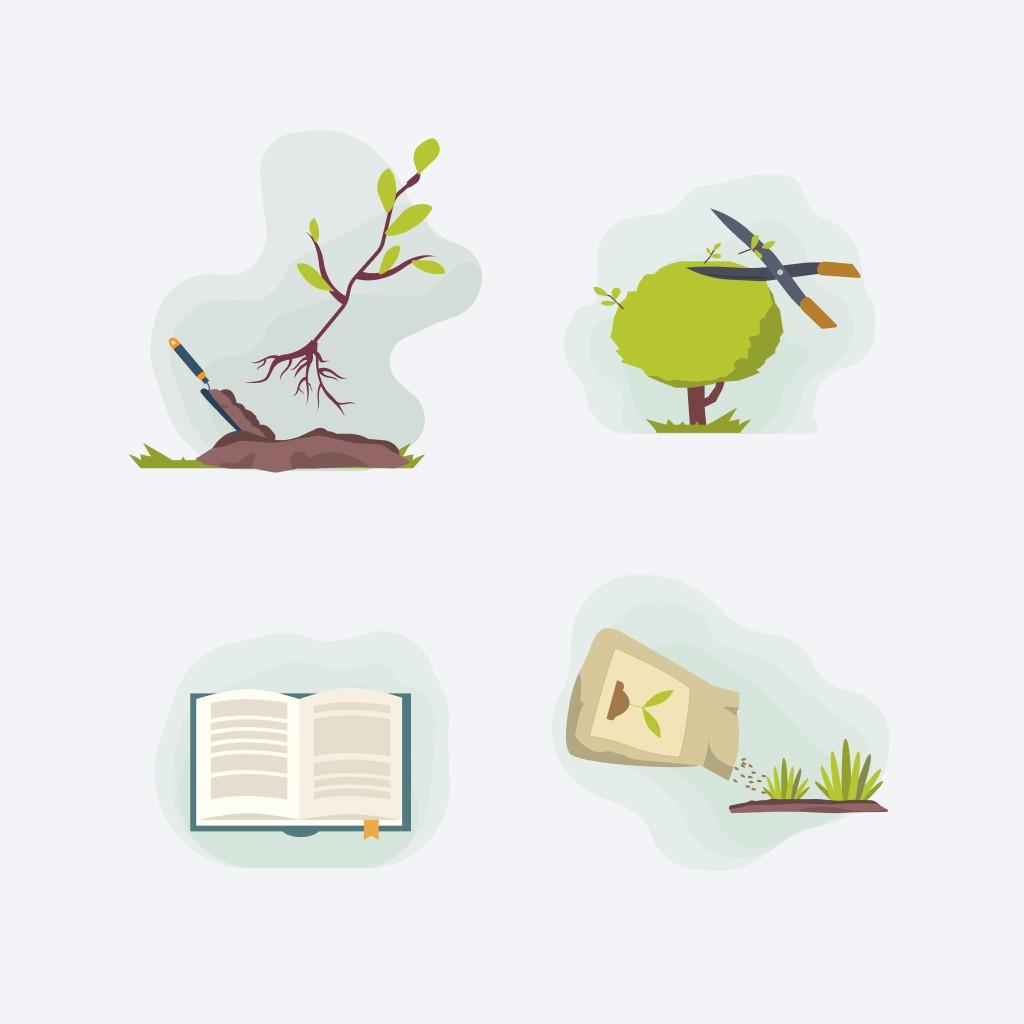
māra uses universal iconography and a clean layout to support multilingual collaboration and easy onboarding. Each garden gets its own space to share updates, organize tasks, and build community. It’s light, modular, and scales to the needs of gardens big or small—without overwhelming its users.

Results
māra was presented as a final thesis in Interaction Design, showcasing how user-centered thinking can enable real inclusion. The app prototype was fully documented and tested across varied user groups—and remains a proof of how design can break down both language and technological barriers.